From Fragmented Maintenance
To Structured Reliability
Six examples of how audit-led strategy and the FOCUS framework transformed maintenance performance across high-consequence industrial environments.
OUR CASE STUDIES

1. Reducing High Reactive Maintenance
35% Reduction in Maintenance Expense
Many organisations invest in condition monitoring but still struggle with high levels of reactive maintenance. This case demonstrates how using FOCUS Framework to align monitoring with failure modes, structured root cause analysis, and real-time asset visibility through SMART Care can transform maintenance performance.

2. PMO1 Overload
50% Reduction in Preventative Tasks
Over time, preventative maintenance programs often grow with tasks that no longer address real failure risks. This case demonstrates how the FOCUS Framework cleans CMMS data, audits assets, and introduces condition-based monitoring and SMART Care to streamline maintenance.
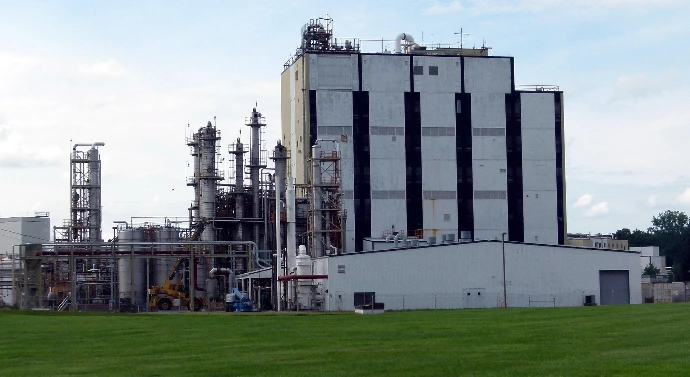
3. Too Much Condition-Based Monitoring
CBM Overload
Condition-based monitoring can become ineffective when large volumes of data is collected without clear objectives or alignment to failure risk. This case demonstrates how rationalising monitoring through FOCUS Framework's failure mode analysis and asset criticality can reduce noise and improve data relevance.
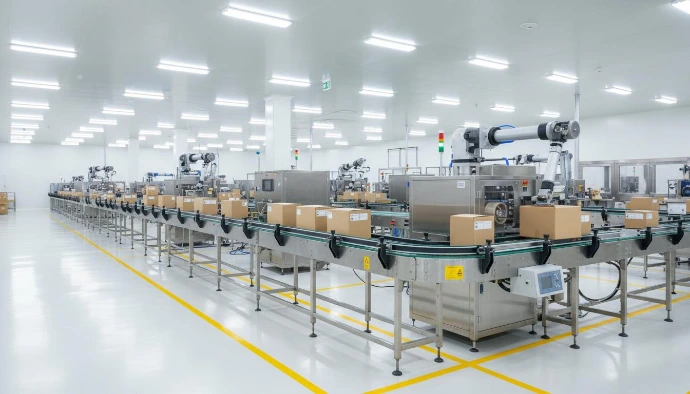
4. High Inventory and Maintenance Costs
Excessive maintenance inventory often results from weak alignment between spare parts, asset criticality, and failure risk. This case shows how applying the FOCUS Framework to structure asset data and integrate inventory with maintenance planning can optimise spare holdings.

5. Ineffective CMMS & Reliability Integration
CMMS platforms are often used only for scheduling rather than enabling reliability. This case shows how integrating asset health data, improving data standards, and aligning systems through SMART Care strengthens reliability governance.

6. Reducing High Reactive Maintenance
Operational performance often suffers when operations and maintenance teams work in silos with different objectives and limited communication. This case illustrates how aligning procedures, goals, and asset visibility through SMART Care can strengthen collaboration.
Case Study 1
Reducing High Reactive Maintenance

A manufacturing site was experiencing persistently high levels of reactive maintenance despite having outsourced vibration and oil analysis in place. Monitoring reports were delivered as PDFs, often unread, with no accessible raw data or structured feedback loop. Information silos existed between contractors, maintenance, operations, and electrical teams, resulting in fragmented decision-making and repeated failures.
Our review identified three core structural gaps:
- No formal root cause elimination process
- Monitoring not aligned to specific failure modes
- No centralised platform for real-time asset health visibility
Using the FOCUS Framework, we:
- Established structured Root Cause Analysis and defect elimination
- Optimised condition monitoring to target critical failure risks
- Implemented a centralised real-time condition platform
- Introduced a formal contractor feedback loop
- Delivered cross-functional training to align teams
The site achieved a 35% reduction in reactive maintenance incidents, significantly reducing unplanned disruptions across critical assets. By integrating monitoring data via SMART Care, establishing structured root cause elimination, and providing real-time asset visibility, maintenance teams were able to identify emerging failures earlier and intervene proactively. The new feedback loops between contractors, maintenance, operations, and electrical teams also improved decision-making and accountability, creating a far more coordinated and reliability-focused operating environment.
Reactive maintenance caused by disconnected monitoring and siloed teams
Case Study 2
PMO1 Overload

A manufacturing client had accumulated over 7,000 PM01 tasks in their CMMS. Many were duplicated, outdated, or misaligned with actual failure risk. The organisation required a 50% reduction while maintaining asset reliability.
We identified:
- Outdated asset registers
- Poor data governance
- Time-based maintenance tasks lacking technical justification
- No condition-based monitoring to replace unnecessary PM work
Through the FOCUS Framework, we:
- Conducted a comprehensive asset audit
- Cleaned and structured CMMS data
- Eliminated redundant PM tasks (30% reduction)
- Introduced condition-based monitoring to replace time-based tasks (additional 20% reduction)
- Established governance and ongoing review protocols
Within months, the maintenance program was transformed. The site achieved a 50% reduction in PM01 tasks, removing thousands of low-value activities that had accumulated over years. Maintenance teams regained time to focus on critical assets and meaningful reliability work instead of completing unnecessary scheduled tasks. With condition-based monitoring and improved data governance in place, the organisation moved from a task-heavy maintenance culture to a far more focused, risk-based approach.
Case Study 3
Too Much Condition-Based Monitoring

A client had become overwhelmed by excessive condition monitoring. Large volumes of data were being collected without clear objectives, overwhelming teams and creating analysis fatigue. Monitoring had expanded without failure-mode alignment, increasing workload without improving reliability.
- No defined CBM objectives
- Redundant monitoring routes
- Lack of clarity on which assets required condition-based monitoring
- Poor alignment between monitoring activity and failure risk
Using the FOCUS Framework, we:
- Defined clear CBM objectives aligned to asset criticality
- Conducted failure mode analysis to rationalise monitoring scope
- Consolidated redundant data collection
- Introduced structured cloud-based data collection via SMART Care
- Delivered targeted team training for data-driven decision-making
The monitoring program using SMART Care shifted from producing large volumes of low-value data to delivering clear, actionable insights. Monitoring noise was reduced, data relevance improved, and the established FOCUS Framework, aligned a risk-based CBM program to real asset failure risks. Maintenance teams could now identify emerging issues earlier and make proactive reliability decisions without being overwhelmed by unnecessary information.
Case Study 4
High Inventory & Maintenance Costs

A manufacturing operation was carrying excessive maintenance inventory and experiencing reactive spare part procurement. Overstocking tied up capital, while critical parts were not always aligned with actual failure risk.
We identified:
- No structured link between asset criticality and spare parts
- Inefficient inventory categorisation
- Reactive purchasing behaviour
- Lack of integration between maintenance planning and inventory management
Through the FOCUS Framework, we:
- Built a structured asset and spares database
- Aligned spare parts to critical asset failure modes
- Introduced data-driven inventory optimisation
- Integrated preventive maintenance planning with inventory governance
The client significantly reduced inventory carrying costs while improving the availability of spare parts for critical assets. By using FOCUS Framework to align spare parts with asset criticality and failure modes, inventory decisions became risk-based rather than reactive. Maintenance and procurement teams gained greater visibility into asset needs, enabling more predictable planning and reducing emergency purchases. The result was a more efficient inventory profile and a maintenance strategy better aligned with reliability outcomes.
Case Study 5
Ineffective CMMS & Reliability Integration

The client’s CMMS was being used for basic scheduling but was ineffective for reliability and condition-monitoring tasks. Data quality was inconsistent, manual input was unreliable, and the system lacked integration with asset health data, reinforcing reactive maintenance patterns.
We determined:
- The CMMS was not capable of reliability governance
- Condition monitoring operated independently
- No centralised asset health visibility existed
- Data standards were inconsistent
Using the FOCUS Framework, we:
- Restructured maintenance governance
- Integrated SMART Care with the CMMS for centralised condition monitoring
- Established structured data standards
- Implemented condition-based maintenance protocols
- Delivered cross-functional system training
The CMMS evolved from a basic scheduling tool into a platform supporting reliability and condition-based maintenance through SMART Care software integration. With the asset health data integrated and data standards improved, maintenance planning became far more informed and proactive. Teams gained real-time visibility into asset condition, enabling earlier intervention and reducing reliance on reactive work. The result was a more structured and sustainable reliability management model aligned across maintenance, operations, and engineering.
Enabling proactive maintenance through integrated CMMS and SMART Care
Case Study 6
Aligning Operations with Maintenance

Operations and maintenance teams were misaligned, working toward different objectives with inconsistent procedures and fragmented communication. This led to delays, inefficiencies, and preventable downtime.
We identified:
- Lack of standardised procedures
- No shared performance objectives
- Weak communication channels
- Limited visibility into shared asset health data
Through the FOCUS Framework, we:
- Formalised Standard Operating Procedures
- Established a unified business case and shared goals
- Implemented structured communication channels and dashboards
- Introduced collaborative recognition systems
The organisation transitioned from fragmented team efforts to a unified asset management approach. Shared performance objectives, clear procedures, and structured communication channels strengthened collaboration between operations and maintenance. This alignment improved asset reliability, reduced operational delays, and created a more resilient foundation for long-term operational performance.
Structure Delivers Measurable Reliability Improvement
If your maintenance system feels active but not aligned, start with a Predictive Maintenance Review, or download our FOCUS Framework to learn about the tools we use to deliver strong reliability improvements.